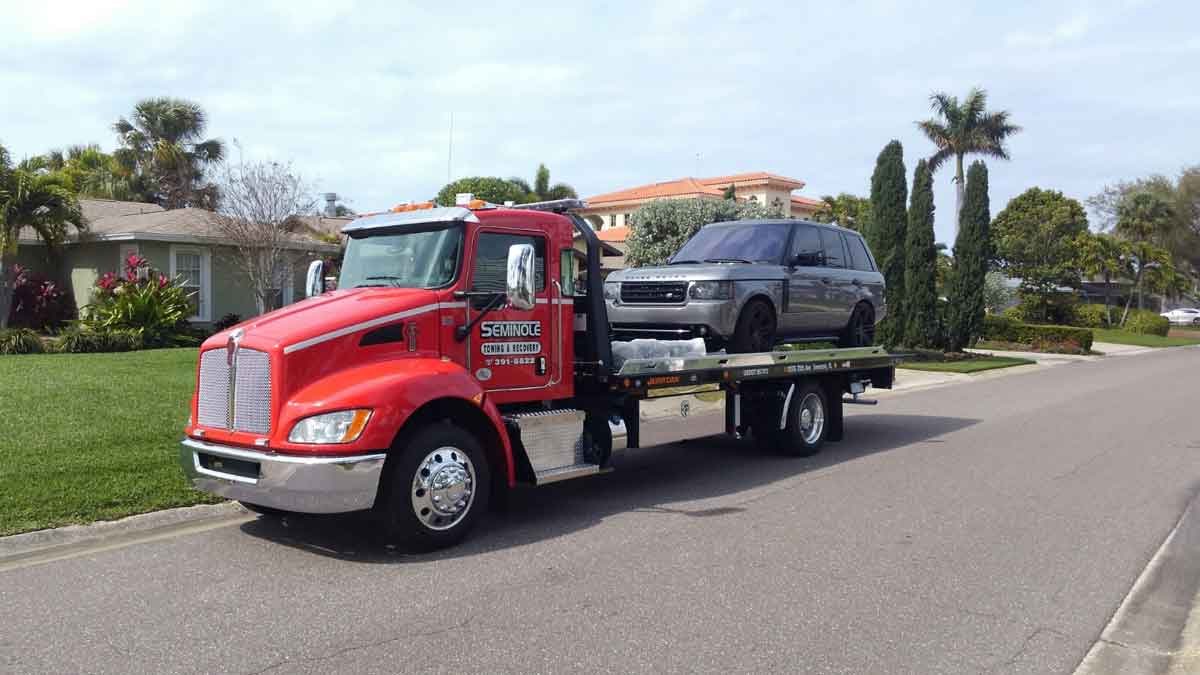
Has your car been towed in Florida?
Learn what paperwork you need, how to release a vehicle to someone else, and how to use online notarization to get it back fast.
Having your vehicle towed or impounded is an instantly overwhelming experience. The initial shock is usually followed by confusion over tow yard rules, strict law enforcement requirements, and unfamiliar paperwork. Storage fees add up every single day your car sits on the lot, making it critical to act fast.
Florida law sets strict identity and legal standards for retrieving a towed vehicle. Knowing your options—and having the right notarized documents—can turn a multi-day ordeal into a quick release.
Why Tow Yards Require Notarized Vehicle Release Forms
Many drivers assume tow yards are simply making the process difficult to collect extra storage fees. Tow yard operators are following Florida law. Releasing a car to the wrong individual opens the impound lot up to massive legal liability and potential vehicle theft claims.
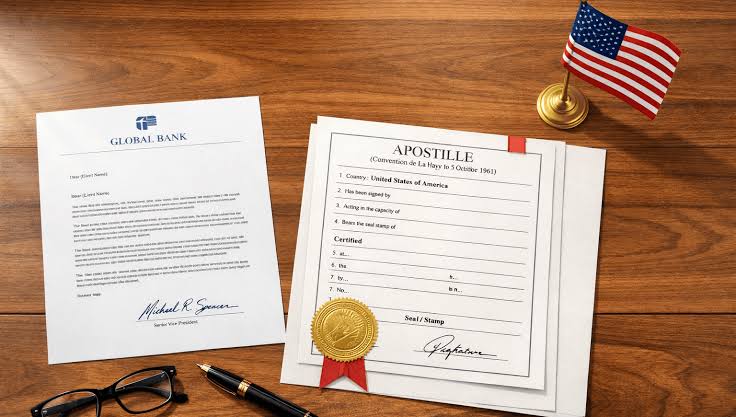
To protect both the vehicle owner and the storage facility, Florida law requires the registered owner to retrieve the car in person. If the registered owner cannot physically be there, a third party can pick up the vehicle, but only if they present a notarized Vehicle Release Authorization Letter or a Limited Power of Attorney (POA).
Common situations where third-party authorization is required include:
- University students whose parents own the vehicle.
- Out-of-state or traveling vehicle owners.
- Insurance adjusters hauling a damaged car to a body shop.
- Owners who are hospitalized, working, or otherwise unavailable.
Essential Information Required on a Vehicle Release Form
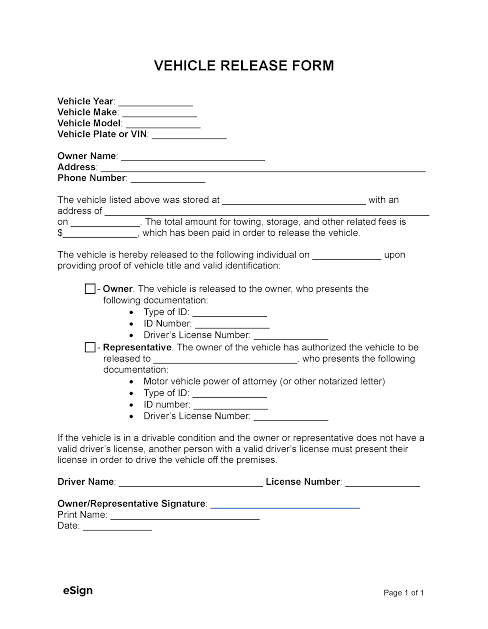
A release form will be rejected at the tow yard counter if it is incomplete or contains errors. To make sure your authorization letter is accepted on the first try, it must explicitly include:
- Vehicle Details: Make, model, color, and year.
- Identification Identifiers: Vehicle Identification Number (VIN) and current license plate number.
- Designated Representative: The full legal name of the person authorized to pick up the car.
- Driver Credentials: Valid government-issued photo ID for both the owner and the pickup person.
- Active Insurance & Registration: Proof of coverage and ownership.
A common hurdle occurs when the vehicle registration is locked inside the glove compartment of the impounded car. If you cannot access the registration, you can pull your VIN and vehicle details directly from your digital insurance card or your insurance carrier’s mobile app.
Avoiding the #1 Mistake: Do Not Pre-Sign Your Documents
The single most frequent mistake vehicle owners make is signing the release authorization form before presenting it to a notary public.
Under Florida notary law, a document must be signed directly in the presence of the notary—whether physically in person or digitally over a live video session. If a document arrives pre-signed, the notary cannot legally validate it, forcing you to start over with a fresh, blank form.
How Remote Online Notarization (RON) Saves Time and Money
When a vehicle owner is out of town, out of state, or even vacationing abroad, driving to a local notary is impossible. Remote Online Notarization (RON) solves this problem instantly.
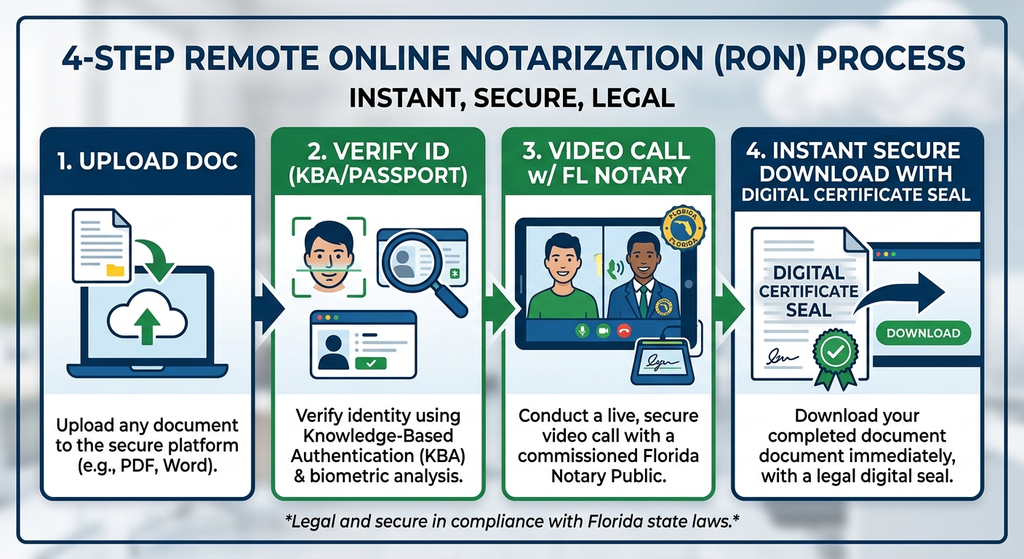
Through a secure, state-approved RON platform, vehicle owners can complete the entire notarization process from a smartphone or computer anywhere in the world:
- The owner verifies their identity electronically using a government-issued photo ID.
- The owner connects with a Florida commissioned notary via a live audio-video session.
- The owner digitally signs the release letter on screen while the notary observes.
- The notary applies an official digital seal and provides an instant, legally binding PDF.
While some local tow yards were initially unfamiliar with digital notarizations, RON is fully recognized under Florida law. Explaining the statutory validity of digital seals ensures tow yards accept these electronic release documents without issue.
What to Do If Your Car Has a Police Hold
If your car was impounded by law enforcement as evidence or following an incident, a notarized release letter alone is not enough.
Before the tow yard can release the vehicle, you must first visit the impounding police department or sheriff’s office to obtain an official, stamped law enforcement hold release form. Once the police release is secured, you can proceed with the standard notarized authorization and proof of insurance.
How Hillsborough Notary Can Help
Navigating Florida tow laws doesn’t have to be overwhelming. Hillsborough Notary provides dedicated, statewide support across Florida to help you get your vehicle back as quickly as possible.
- 24/7 Availability: Towing emergencies don’t just happen during business hours. Fast support is available when you need it most.
- 1-Hour Turnaround Times: Daytime requests are prioritized to stop the clock on accumulating daily impound storage fees.
- Blank Forms on Hand: If you accidentally pre-sign a form, blank release templates are provided immediately to avoid extra delays.
- Statewide RON Access: Whether you are located in Florida, another state, or overseas, remote online notarization sessions can be completed in minutes.
If you have questions about tow releases or need an immediate notarization to recover your vehicle, reach out to Hillsborough Notary to guide you through the process step-by-step.